Zurück
LUCHT LHZ electric heaters are ERP-compliant and fulfil the European standards for energy efficiency in accordance with the EU Ecodesign Directive. Independent tests and scientific studies by institutions such as SLG Prüf- und Zertifizierungs GmbH, the Technical University of Dresden and other experts confirm the energy efficiency and performance of our products.
We offer OEM partners the opportunity to use our technology and production capacities to develop and offer customised electric radiators. With a continuous production chain and a modern ERP system, we guarantee high quality standards and delivery reliability.
Discover our wide range of products and become part of an efficient and future-proof heating solution.

With dynamic electricity tariffs and the growing share of renewable energy, it is becoming increasingly attractive to operate electric heating systems when electricity is inexpensive or when surplus renewable energy is available. But how effectively can electricity consumption actually be shifted to these favourable periods in practice?
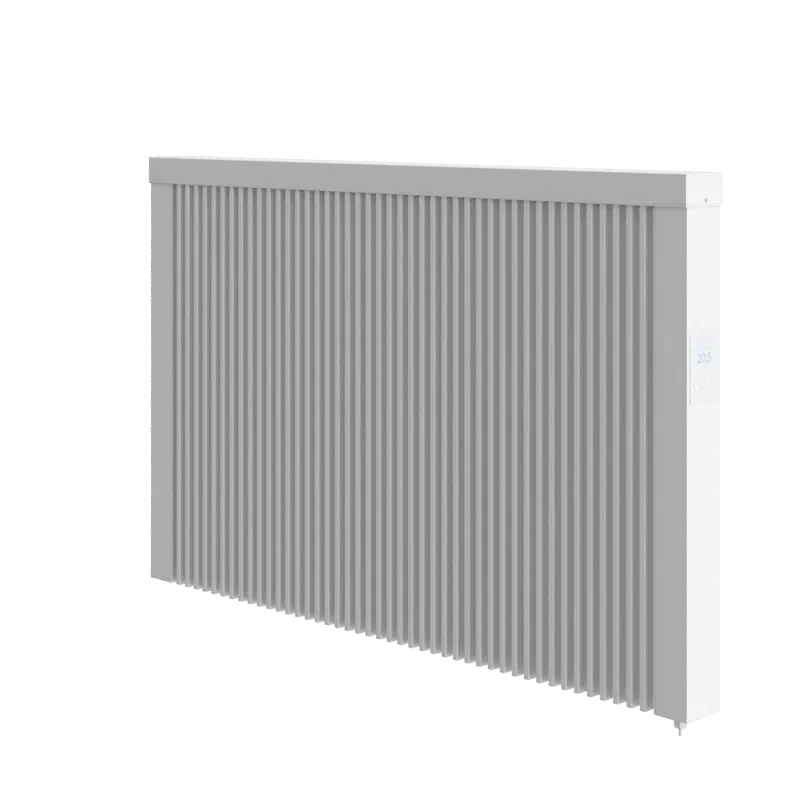
A study by TU Dresden investigated precisely this question. Under defined laboratory conditions, various electric heating systems were compared: two electric thermal storage heaters, the TECHNOTHERM Dynamo, a partial storage heater, and an infrared heater installed in different positions. The tests covered three partial-load conditions and various electricity tariff scenarios.
The study focused on how much electrical energy can be consumed before the actual period of use, stored as heat and released later when needed. The results reveal clear differences between the heating systems tested. The Dynamo, in particular, was able to shift a significant proportion of its electricity consumption to the preceding charging period, allowing it to make targeted use of lower electricity prices or surplus PV electricity. At the same time, TU Dresden also evaluated heat distribution and thermal comfort within the room.
Download: Test report (PDF) and summary (PDF)
Find out more about the LUCHT LHZ storage heaters.


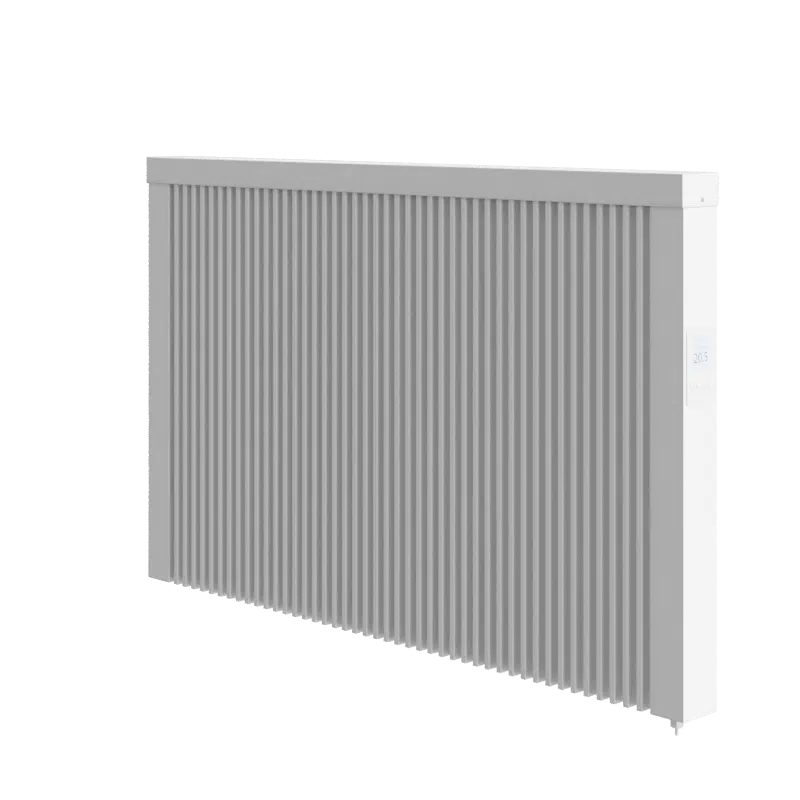
As part of a joint study by TU Dresden and LUCHT LHZ Elektroheizung GmbH & Co. KG, a metrological comparison was carried out between a storage heater and an infrared heater.
The scientists developed a detailed test setup in the Combined Energy Lab at TU Dresden to analyse the performance and heat distribution of the two types of heating. They used a specially temperature-controlled room in which various scenarios were tested.
The result: storage heating ensures even temperature distribution and requires around 34% less energy than infrared heating to maintain the desired room temperature. Infrared heating mainly emits radiant heat and is better suited for targeted heating of occupied zones, but shows an uneven temperature distribution in the room.
Find out more about the study (PDF – in German)
Download: Test report (PDF – in German)
Find out more about storage heaters and infrared heaters from LUCHT LHZ
The study commissioned by IG Infrarot from the Fraunhofer Institute shows: According to this study, infrared heaters consume 32% less final energy than gas condensing boilers.
Tests carried out on two identical buildings showed that the level of thermal comfort was similar for both heating systems, despite the fact that the infrared heating system consumed less energy. The study suggests that this could lead to energy savings and improved heating performance, particularly in existing buildings.
In order to exploit the full potential, further studies on economic efficiency and energy balance are planned. The only weak point is the slightly higher carbon footprint of infrared heaters compared to gas heaters. This is the result of the current mix of electricity sources, which includes fossil fuels as well as renewable energy. The proportion of renewable energy in the grid is increasing, which will lead to a decrease in this figure.
Find out more about the study (in German)
Download: Test results (PDF – in German)
Find out more about infrared heaters manufactured by LUCHT LHZ


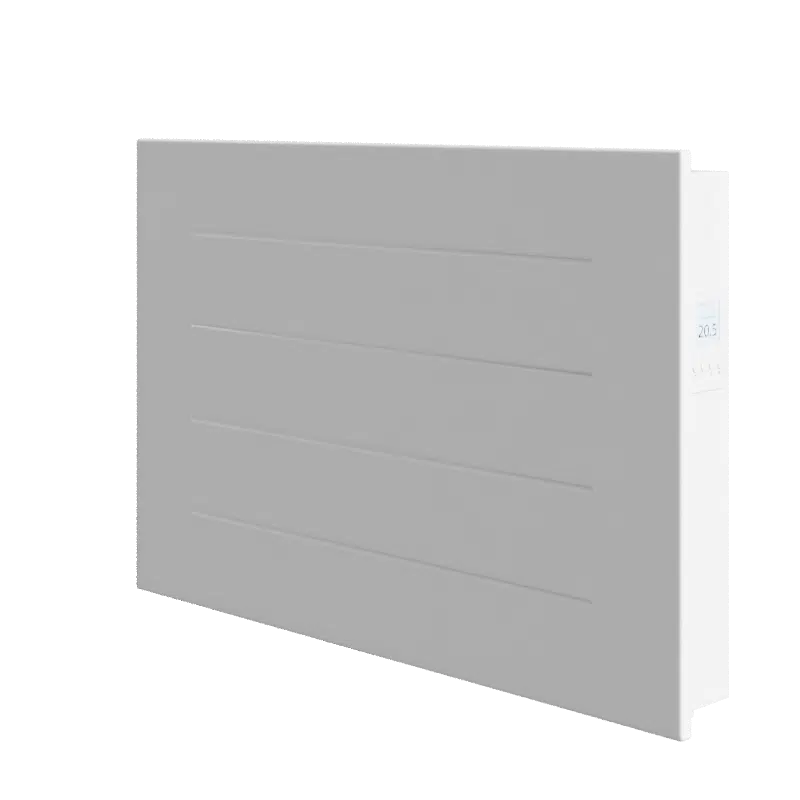
As part of a joint study by TU Dresden and LUCHT LHZ Elektroheizung GmbH & Co. KG, the scientists carried out a metrological analysis to determine the proportions of heat dissipated by convection and radiation in a partial storage heater. To do this, they designed a test rig concept and implemented it in the indoor climate room of the Combined Energy Lab at TU Dresden. They then carried out stationary tests under various load conditions. Using the measurement data obtained, they calculated the radiation and convection heat flows of our partial storage heater.
The result: approx. 41% of the heat dissipation in the entire room is caused by radiation and approx. 59% by convection – regardless of the load conditions of the partial storage heater.
Download: Test results (PDF – in German)
Learn more about the LUCHT LHZ storage heater
The industry association IG Infrarot commissioned a study in which scientists at TU Dresden investigated whether an existing water-bearing heating system with high flow temperatures (i.e. a conventional oil or gas heating system) can be upgraded for operation with a heat pump at low temperatures by combining it with an infrared heating system.
The result: Prof. Dr.-Ing. habil. Joachim Seifert, Head of Building Energy Technology at the Institute of Energy Technology at TU Dresden, summarises the results as follows: “Heat pump systems in combination with electric infrared heaters represent a technological option for old buildings. The fulfilment of the heating task and thermal comfort can be guaranteed with this system combination.”
Download: Final report of the study (PDF – in German)
Discover the LUCHT LHZ infrared heaters


Prof. Dipl.-Ing. Timo Leukefeld et. al. compare infrared heaters with air-to-water heat pump heating systems based on the following criteria:
1. operating principle
2. grey energy
3. electricity consumption
4. total costs
The result: A heat pump heating system has significantly higher grey energy for production and disposal than an infrared heating system. Heat pumps require less electricity to operate, Nevertheless, the infrared variants 1b (heating with ceiling infrared panels and electric hot water boiler) and 2b (heating with ceiling infrared panels and electric hot water boiler in combination with a PV system with a nominal output of 10 kW and a battery system with a capacity of 10 kWh) are more economical than the heat pump variants 1a (heating and hot water preparation with an air-to-water heat pump) and 2a (heating and hot water preparation with an air-to-water heat pump in combination with a PV system) when comparing the systems. The service life of the heat pump is shorter than its static amortisation period (35 and 47 years respectively). Amortisation is therefore impossible. The required technical area of the variants is around 2 m² less if the heat pump can be omitted.
Download the study (PDF – in German)
Discover the LUCHT LHZ infrared heaters

The testing experts at SLG Prüf- und Zertifizierungs GmbH (SLG) tested the energy consumption of our electric heaters at an ambient temperature of 5 °C and a room temperature of 21 °C with an air exchange rate in the test chamber of 1.0/h.
Partial storage heater: Test report (PDF)
Our ERP-compliant heaters minimize energy consumption and meet the strictest European standards.
Thanks to the EU Ecodesign Directive, our heaters not only reduce costs, but also environmental impact throughout their entire service life.
As an OEM partner, your customers benefit from innovative technology and sustainability that reduces heating costs in the long term.
LUCHT LHZ focuses on efficient and responsible heating systems for a sustainable future.

LUCHT LHZ is proud to present a detailed experience report from one of our OEM customers who have successfully used our storage heaters in their renovated old single-family home.
The M. family, consisting of two adults and two children, has lived in a semi-detached house in the Erzgebirge foothills near Chemnitz since spring 2021. The following report summarizes the results and experiences from three years of heating practice.
The studies and tests on this page provide evidence of the results, such as how much electricity a heating system consumes and how it compares with other systems. They also demonstrate how precisely the temperature is regulated. However, they do not show the work that goes into it beforehand.
This is what the BSFZ seal is for. The BSFZ Research Allowance Certification Body has recognised several LUCHT LHZ research and development projects as eligible for funding under the Research Allowance Act. The product itself is not assessed, but the development work. A project is only considered to be research and development if it:
What we are working on
Our development work focuses on three areas: storage technology, regulation and control technology, and the integration of electric heating systems with photovoltaics and dynamic electricity tariffs. TU Dresden’s study on thermal comfort and load shifting using the TECHNOTHERM Dynamo demonstrates the direction in which this work is heading: a storage heating system that stores heat when electricity is cheap or self-generated.
What does this mean for you as an OEM partner?
You are working with a manufacturer whose in-house development capabilities have been independently verified, rather than an assembly plant for purchased components. Technical innovations are developed in-house and incorporated into production runs that you then market under your own brand.
The BSFZ seal relates to Lucht LHZ’s research and development activities. It is neither a product certification nor a government funding commitment for individual products.
As an OEM partner, you benefit from our expertise as a manufacturer with over 40 years of experience specialising in electric heating – with in-house development, production, and quality assurance, all based in Germany. Our products are market-ready, certified, and can be flexibly tailored to your brand.
What you can expect from us as your manufacturer:
From infrared and storage to convector heaters – tailored to a wide variety of markets and target groups
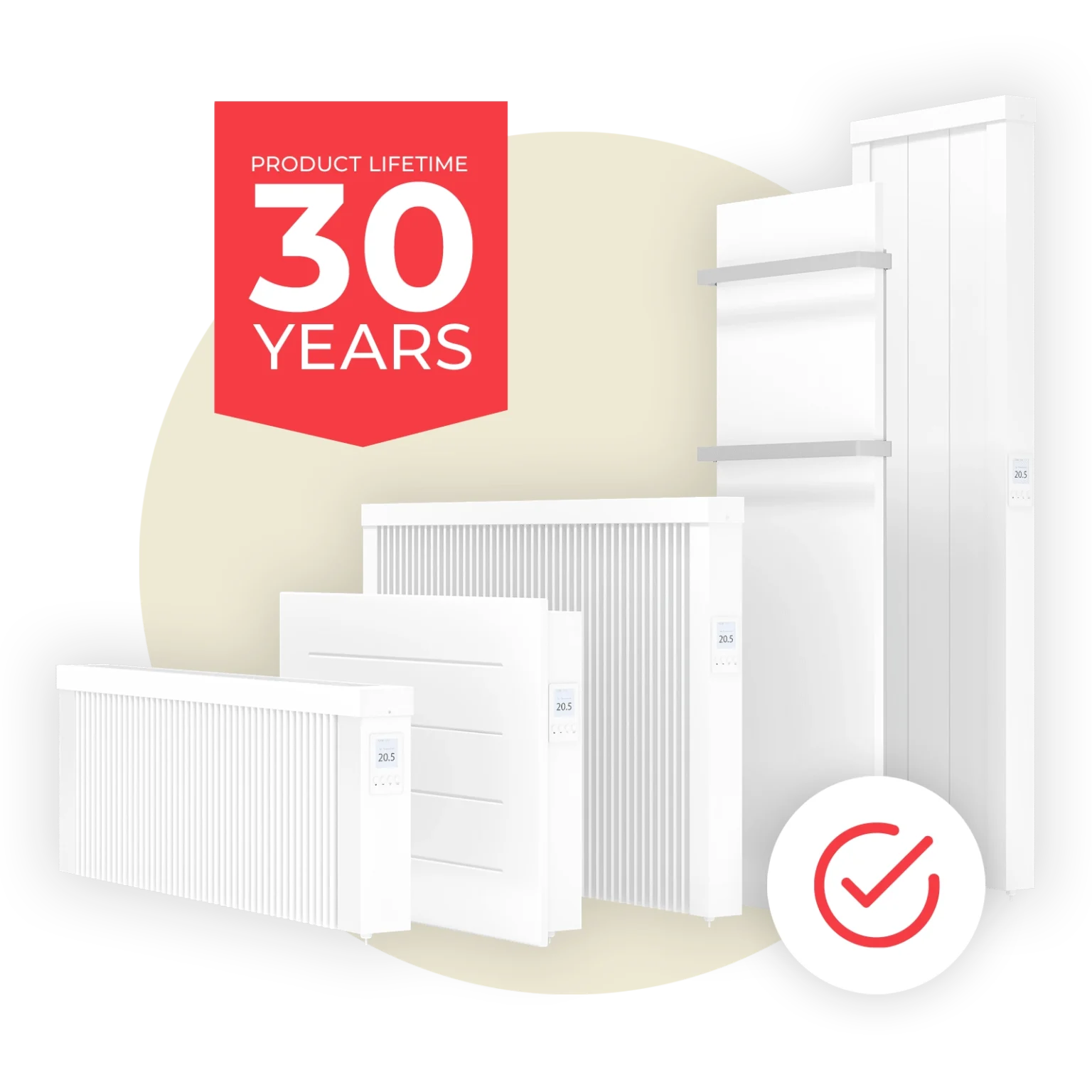
When choosing a heating system, it’s not just the initial investment that matters – it’s the total cost over the entire service life. This is exactly where LUCHTt LHZ electric heaters show their strengths: they are maintenance-free, durable, and incur no follow-up costs for spare parts, inspections, or fuel procurement.
Our electric heaters are built with high-quality components from European production and designed for a service life of at least 30 years. Combined with favourable electricity tariffs, on-site solar power, or intelligent control systems, energy consumption can be further optimised.
For you as an OEM partner, this means: You offer your customers a heating solution with predictable costs, minimal risk, and an excellent return on investment – across the entire product lifecycle.

Uwe Lucht
Chief Executive Officer
Visit us
Branch locator
Write us
Contact form
We look forward to your message
Call us
+49 (0) 3724 66869 0
Mon. – Fri.: 08:00 a.m. – 20:00 p.m.
Sat.: 08:00 a.m. – 17:00 p.m.
Federal holidays and Sundays excluded
Get advice
Arrange an appointment
Arrange a personal appointment
Finden Sie die nächstgelgende Filiale
Wir freuen uns auf Ihre Nachricht
Mo. - Fr.: 08:00 - 20:00 Uhr
Sa.: 08:00 - 17:00 Uhr
bundeseinheitliche Feiertage und Sonntag ausgeschlossen
Persönlichen Termin vereinbaren
Visit us
Branch locator
Write us
Contact form
We look forward to your message
Call us
+49 (0) 3724 66869 0
Mon. – Fri.: 08:00 a.m. – 20:00 p.m.
Sat.: 08:00 a.m. – 17:00 p.m.
Federal holidays and Sundays excluded
Get advice
Arrange an appointment
Arrange a personal appointment
Finden Sie die nächstgelgende Filiale
Wir freuen uns auf Ihre Nachricht
Mo. - Fr.: 08:00 - 20:00 Uhr
Sa.: 08:00 - 17:00 Uhr
bundeseinheitliche Feiertage und Sonntag ausgeschlossen
Persönlichen Termin vereinbaren